
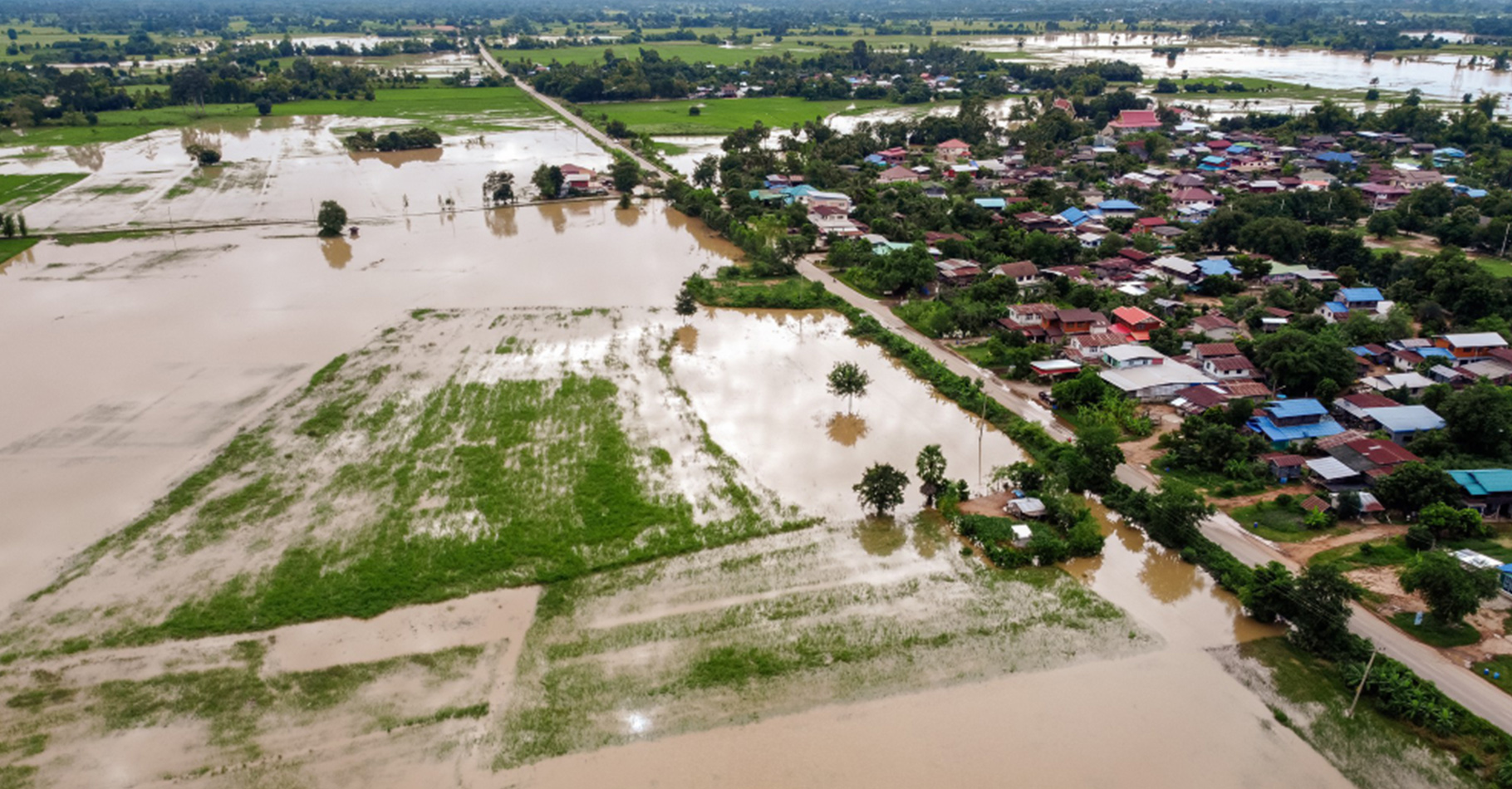
Flooding is one of the most destructive natural disasters in Nigeria. Each year, during the rainy season, communities across the country face heavy losses.
Homes collapse, roads become impassable, and farmlands are submerged. Markets shut down, and families are forced to leave their homes.
This problem is even worse in Yobe, Kano, Kaduna, and Zamfara, where floods happen almost every year.
The truth is simple: recovering from floods costs far more than preventing them.
The True Price of Flood Recovery
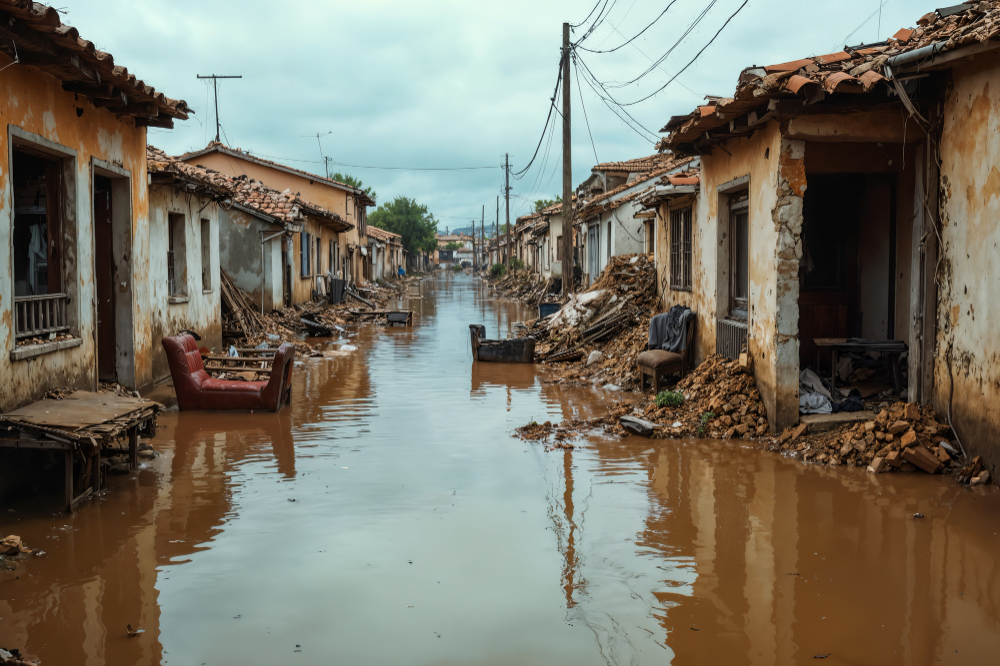
Every year, the government spends billions of naira rebuilding infrastructure damaged by floods.
-
Roads and bridges must be repaired.
-
Homes need to be reconstructed.
-
Displaced families require shelter and relief materials.
But the damage goes beyond infrastructure. Flooding often triggers disease outbreaks such as cholera and malaria. This puts more pressure on already stretched healthcare systems.
Farmers also face huge losses when floodwaters destroy crops. This leads to food shortages and higher food prices. Businesses suffer too because major trade routes become blocked, preventing the movement of goods and services.
These costs keep rising, making recovery expensive and unsustainable.
Why Flood Prevention Works Better
Floods are natural events. However, the destruction they cause often happens because of poor planning and weak prevention measures.
Investing in prevention is cheaper and smarter than waiting for floods to destroy communities and then spending more to rebuild.
Here are four effective strategies that reduce flood risks:
✅ 1. Build Strong Drainage Systems and Culverts
Well-designed drainage channels prevent water from building up and flooding streets. Proper maintenance ensures they stay effective year-round.
✅ 2. Enforce Urban Planning Laws
Many homes and businesses are built on natural floodplains. Enforcing land use rules prevents construction in high-risk areas and protects people from harm.
✅ 3. Restore Wetlands and Plant Trees
Wetlands absorb excess water naturally. Trees reduce surface runoff and soil erosion, lowering the chances of flooding.
✅ 4. Educate Communities on Flood Preparedness
Public awareness campaigns help residents understand the importance of proper waste disposal and preparation before the rainy season.
Check Out: Floods in Nigeria
Prevention vs. Recovery: The Smart Choice
When governments invest in prevention, they save money and protect lives.
Here’s how prevention benefits everyone:
-
It reduces damage to roads, homes, and farmlands.
-
It helps farmers maintain food production.
-
It lowers the risk of disease outbreaks after heavy rains.
-
It keeps communities safe and strong.
In contrast, recovery costs continue to rise each year. By acting before disaster strikes, Nigeria can build resilience and reduce long-term spending.
Conclusion: A Safer Future
Floods may be unavoidable, but disasters are not. When we prepare and prevent, we reduce destruction and save lives.
For Nigeria’s northern states, prevention isn’t just cheaper — it’s essential for a safer and more sustainable future.
Read Also: Private vs. Traditional Construction Financing Options
Leave a Reply