
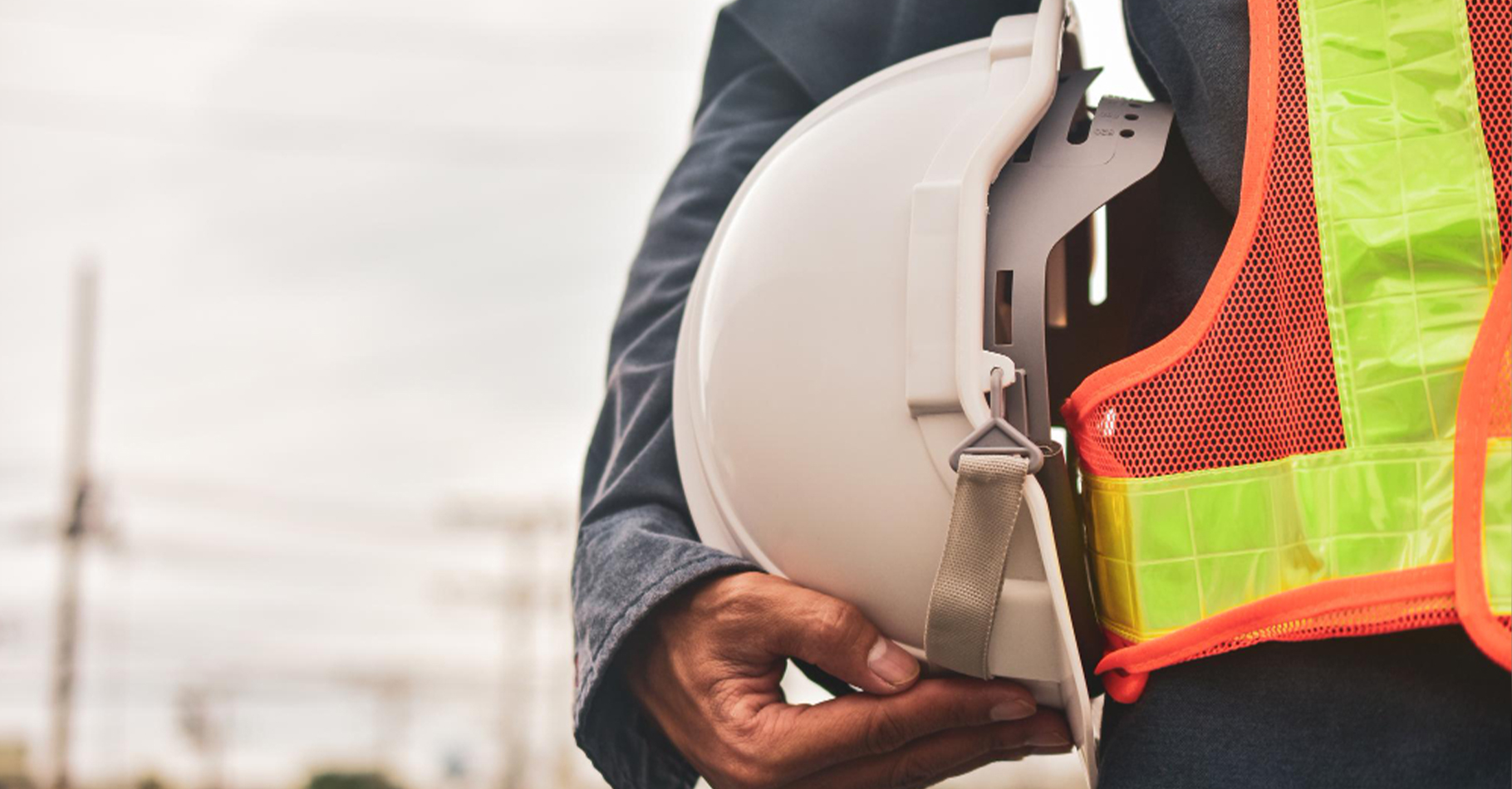
Construction site safety is one of the most important aspects of any successful building project. Every day, workers face risks from heavy machinery, high structures, sharp tools, and dangerous environments. Without the right safety measures, these risks can cause serious injuries, delays, and even loss of life.
However, when companies make safety a priority, accidents reduce drastically, productivity improves, and projects run more smoothly. That is why every construction company must take a structured approach to construction site safety.
Why Construction Site Safety Matters
Construction sites are naturally hazardous. Workers operate in challenging conditions, often under pressure to meet deadlines. As a result, even a small mistake can cause major harm.
In Nigeria, many construction-related accidents happen because of poor planning, a lack of training, or ignored safety rules. Therefore, improving construction site safety is not just about compliance — it is about saving lives.
In addition, safe sites reduce insurance costs, limit project delays, and improve a company’s reputation. Clients trust contractors that take construction site safety seriously.
Common Construction Site Safety Risks
Although every project is different, some dangers appear on almost every site. These risks threaten both workers and equipment.
They include:
-
Falling from heights
-
Injuries from moving machinery
-
Electric shock from exposed wires
-
Collapse of scaffolding or trenches
-
Slips, trips, and falls
Once workers understand these dangers, they can take better precautions. That awareness alone plays a key role in improving construction site safety.
Key Measures to Improve Construction Site Safety
Creating a safe construction site requires planning, discipline, and the right equipment. The steps below greatly reduce the risk of accidents.
1. Use the Right Personal Protective Equipment
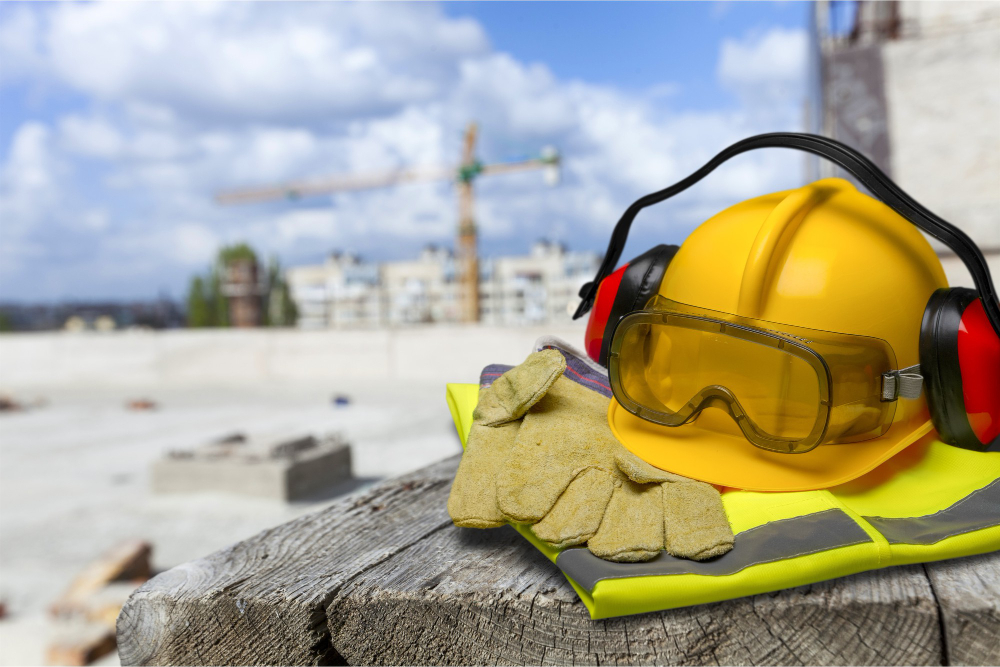
Workers must wear safety boots, helmets, gloves, and reflective jackets. These simple items protect the head, feet, hands, and eyes. As a result, many serious injuries are prevented.
2. Provide Regular Safety Training
Training teaches workers how to operate tools and machines properly. It also prepares them for emergencies. Therefore, regular training significantly improves construction site safety.
3. Keep the Site Clean and Organized
A messy worksite increases the chances of accidents. Wires, tools, and debris on the ground cause workers to trip or fall. On the other hand, an organized site allows smooth movement and reduces danger.
4. Inspect Equipment Often
Machines and tools should be checked frequently. Faulty equipment is one of the major causes of injury on construction sites. Early inspection and repairs help maintain strong construction site safety.
5. Assign Safety Officers
Every site needs at least one trained safety officer. This person monitors activities and corrects risky behaviour. Their presence strengthens safety awareness and improves overall site management.
Check Also: 10 Crucial Tips for a Secure Worksite
Leadership and Construction Site Safety Culture
Managers and supervisors play a major role in shaping safety habits on site. When leadership takes construction site safety seriously, workers are more likely to follow all rules and guidelines.
However, when safety is ignored at the top, workers also become careless. That is why strong leadership is essential for creating a long-term safety culture.
In addition, recognising and rewarding safe behaviour motivates workers to stay alert and responsible.
How Safety Improves Project Success
A safe construction site is a productive site. When workers feel protected, they focus better on their tasks. As a result, work quality improves and deadlines are met more easily.
Fewer accidents also mean fewer work stoppages and lower legal risks. In the long run, companies that invest in construction site safety build a stronger reputation and win more contracts.
Safety, therefore, is not just about protection — it is also a smart business strategy.
Conclusion: Safety Is Everyone’s Responsibility
In construction, safety should never be an afterthought. It must be part of every decision made on site.
By investing in training, proper equipment, planning, and supervision, companies create safer environments for their teams. At the same time, they boost performance and protect their investment.
Simply put, construction site safety saves lives, supports productivity, and builds a stronger future for the industry.
Read Also: How to Secure Contractor Financing for Large Projects
Leave a Reply