
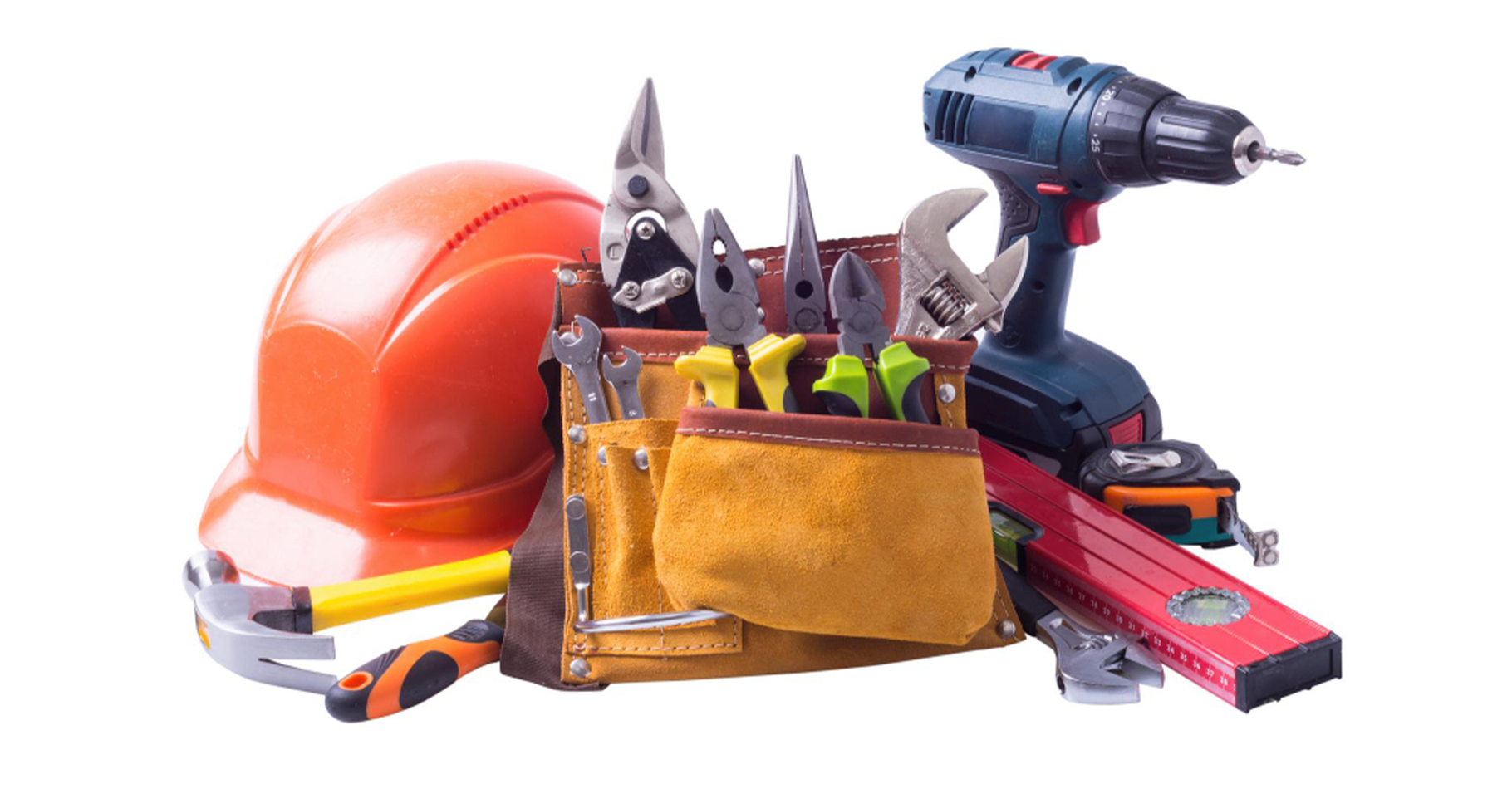
When people admire a completed building, they often praise the design or craftsmanship. However, what they rarely notice are the construction tools that made the entire project possible.
From the first peg driven into the ground to the final inspection, construction tools support every stage of the build. Although they work quietly in the background, they turn plans into reality and ensure projects are delivered safely, accurately, and on time.
In fact, without the right construction tools, even the most skilled professionals would struggle to meet quality and safety standards.
Why Construction Tools Matter on Every Site
Construction tools do more than speed up work. More importantly, they improve accuracy, reduce errors, and protect workers.
Additionally, proper tools help teams follow approved drawings and specifications. As a result, projects experience fewer delays and less rework. Therefore, investing in the right tools is a key part of professional construction management.
Basic Hand Tools in Construction Operations
Basic hand tools form the backbone of daily site activities. Although simple, they remain essential for precision work.
Common construction tools in this category include:
-
Hammers
-
Tape measures
-
Spirit levels
-
Chisels
-
Spanners and pliers
-
Screwdrivers
-
Hand saws
These tools support measuring, fixing, cutting, and alignment tasks. Moreover, when power tools are unavailable, hand tools keep work moving without interruption.
For this reason, well-managed sites ensure hand tools are maintained, stored properly, and easily accessible.
Power and Mechanical Construction Tools
While hand tools offer control, power and mechanical construction tools increase speed and productivity. Consequently, they reduce labour fatigue and improve consistency.
Key power and mechanical tools include:
-
Concrete mixers
-
Concrete vibrators
-
Drilling machines
-
Grinders
-
Compactors
-
Welding machines
For example, concrete mixers ensure uniform material quality, while vibrators improve strength by removing trapped air. Similarly, compactors prepare solid foundations, and welding machines support steel works.
Without these construction tools, projects often face delays and rising costs.
Masonry and Site Construction Tools
Masonry and site tools support both structure and finish. Although often overlooked, they directly affect quality and appearance.
Essential tools include:
-
Shovels
-
Wheelbarrows
-
Head pans
-
Trowels and floats
-
Plumb bobs
-
Line and pins
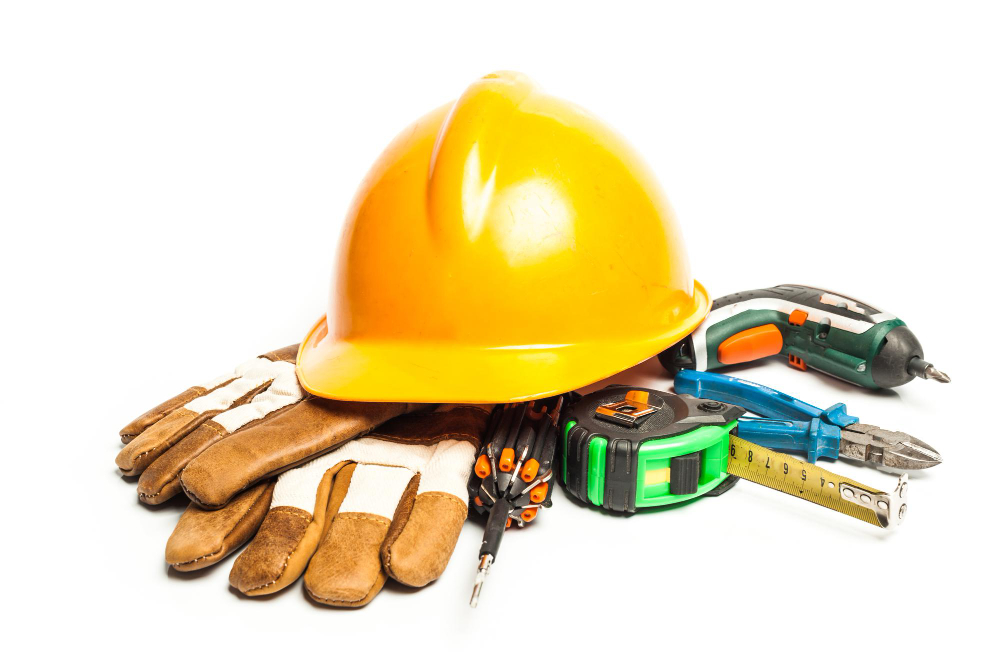
These construction tools assist with material handling, block laying, and surface finishing. As a result, walls remain straight, aligned, and professionally finished.
Check Out: Clarity: The Silent Power Behind Successful Construction Projects
Measuring and Setting-Out Construction Tools
Accuracy begins with proper setting-out. Therefore, measuring tools are critical from day one.
Important construction tools for setting-out include:
-
Dumpy levels
-
Total stations
-
Theodolites
-
Ranging poles
-
Pegs and measuring tapes
These tools help establish correct levels, boundaries, and alignments. When used correctly, they prevent costly errors and reduce rework.
Access and Support Tools for Safe Construction
Many construction activities involve working at height or supporting structures. Consequently, access and support tools are essential.
Common construction tools in this category include:
-
Scaffolding
-
Ladders
-
Formwork systems
Using proper access equipment improves workflow and reduces accidents. In contrast, improvised solutions increase risk and should be avoided on professional sites.
Safety Equipment: Essential Construction Tools
Safety equipment is not optional. Instead, it is a core part of every construction project.
Mandatory safety tools include:
-
Safety helmets
-
Safety boots
-
Reflective vests
-
Gloves and goggles
-
Fire extinguishers
-
First-aid kits
By using proper safety tools, sites reduce injuries and maintain compliance with regulations. Ultimately, a safe site is also a productive site.
Conclusion: Building Success with the Right Construction Tools
Every successful project depends on the right construction tools. From basic hand tools to advanced surveying equipment and safety gear, each tool plays a critical role.
When construction tools are selected, maintained, and used correctly, projects benefit from improved safety, efficiency, and quality. In the long run, investing in the right tools leads to smoother operations and long-term success.
Simply put, every strong structure begins with the right tools.
Read Also: Construction Project Scheduling for Timely Delivery
Leave a Reply